















How to Invest in Overseas Property Safely In 2026
 Chalet
-
Chalet
-
 2 months ago
-
2 months ago
-
 443 Views
Purchasing real estate abroad can be one of the most lucrative financial choices, but if done incorrectly, it can also be dangerous. International real estate necessitates careful preparation and due diligence due to a variety of factors, including currency changes, tax laws, legal variations, and developer trustworthiness. In order to obtain better rental yields, capital appreciation, and residence perks, more investors are expanding internationally in 2026. If you want to protect your investment, this guide on How to Invest in Overseas Property Safely provides essential tips and strategies to safeguard your money when investing in real estate abroad.
1. Look into the nation's legal system
Learn about foreign property ownership before making an investment overseas. While some nations limit international purchasers to leasehold agreements or designated areas, others permit complete freehold possession.
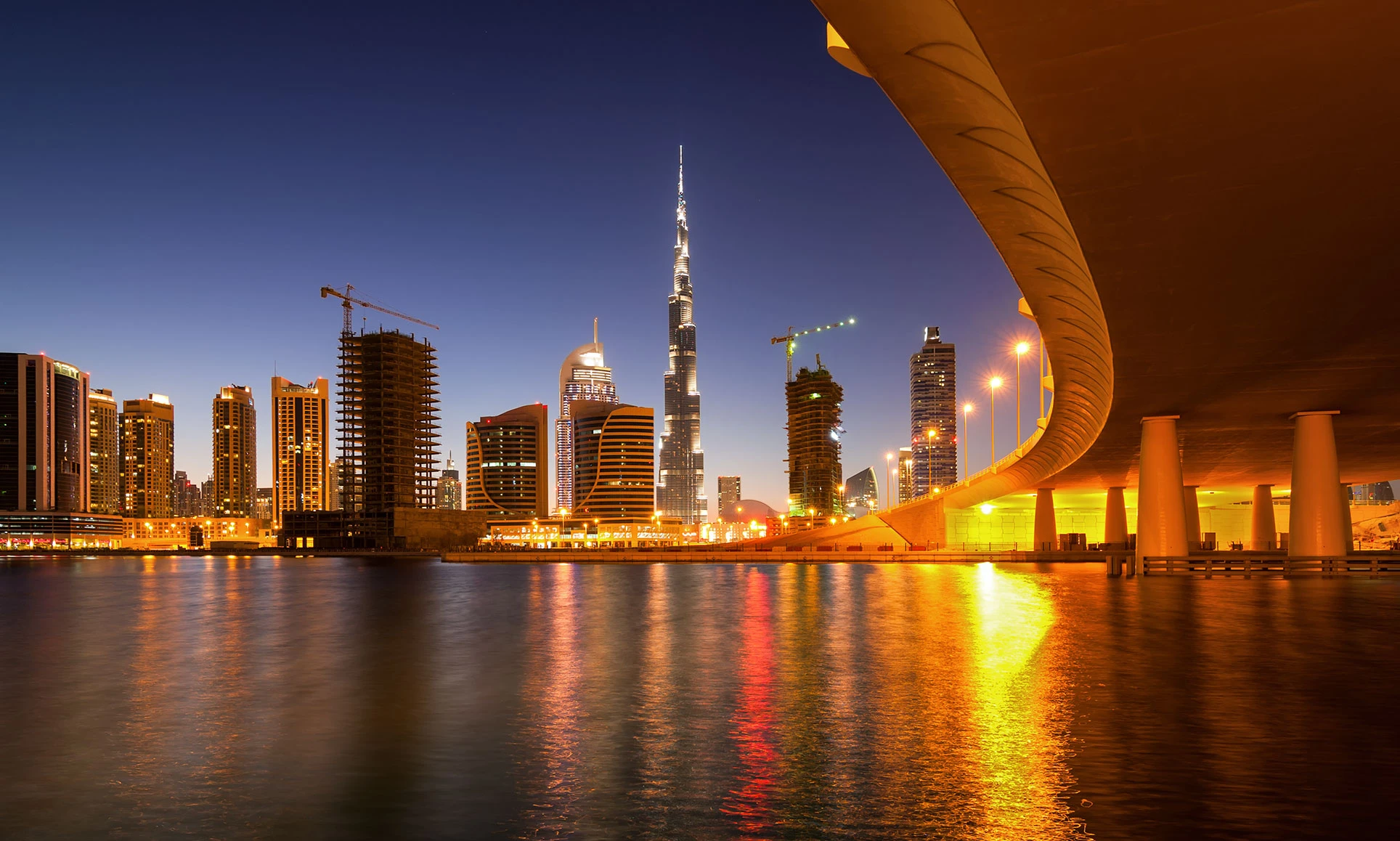
For instance, foreigners are permitted to buy freehold real estate in the United Arab Emirates in specific locations that are governed by the Dubai Land Department. This openness protects investors and offers security.
Never fail to verify:
Are foreigners able to lawfully own real estate?
Does reselling have limitations?
What steps are involved in registering?
Do off-plan projects have access to escrow protections?
Comprehending these fundamentals helps avoid expensive legal surprises.
2. Collaborate with Certified Experts
Working exclusively with certified real estate agents, solicitors and developers is one of the safest methods to invest abroad.
Make sure:
The agent is listed with the appropriate government agency
The developer has a track record of success
The initiative has received formal approval
Brokers in Dubai, for example, are required to register with the Real Estate Regulatory Agency (RERA). For investors, this offers an additional degree of security.
Steer careful of unofficial agreements or "too good to be true" promises, particularly when the supporting documentation is ambiguous.
Are foreigners able to lawfully own real estate?
Does reselling have limitations?
What steps are involved in registering?
Do off-plan projects have access to escrow protections?
Working exclusively with certified real estate agents, solicitors and developers is one of the safest methods to invest abroad.
Make sure:
The agent is listed with the appropriate government agency
The developer has a track record of success
The initiative has received formal approval
Brokers in Dubai, for example, are required to register with the Real Estate Regulatory Agency (RERA). For investors, this offers an additional degree of security.
Steer careful of unofficial agreements or "too good to be true" promises, particularly when the supporting documentation is ambiguous.
3. Perform Appropriate Due Diligence
Never depend just on internet ads or marketing materials. Rather:
Obtain formal title deeds
Check the status of ownership
Verify the expenses of maintenance and services
Recognise the rules of the community and the rental agreement
Examine rental market data
See the property in person if you can. Request developer credentials, virtual tours, and independent property inspections if travel is not an option.
Never depend just on internet ads or marketing materials. Rather:
Obtain formal title deeds
Check the status of ownership
Verify the expenses of maintenance and services
Recognise the rules of the community and the rental agreement
Examine rental market data
See the property in person if you can. Request developer credentials, virtual tours, and independent property inspections if travel is not an option.
4. Recognise the Tax Repercussions in Both Countries
A lot of investors overlook their native country's tax requirements. Your nation of residence may tax foreign income even if the investment country offers tax incentives.
Important queries:
Is there a tax on rental income?
Does the capital gains tax apply?
Is property abroad subject to taxes in your home country?
Is a double taxation agreement in place?
Dubai, for instance, has zero capital gains and zero property taxes, which boosts investor profitability. Always check, though, how your own country handles overseas income.
Before completing your investment, get advice from an international tax advisor.
A lot of investors overlook their native country's tax requirements. Your nation of residence may tax foreign income even if the investment country offers tax incentives.
Important queries:
Is there a tax on rental income?
Does the capital gains tax apply?
Is property abroad subject to taxes in your home country?
Is a double taxation agreement in place?
Dubai, for instance, has zero capital gains and zero property taxes, which boosts investor profitability. Always check, though, how your own country handles overseas income.
Before completing your investment, get advice from an international tax advisor.
5. Evaluate the Risk of Currency
Changes in exchange rates can have a big effect on returns. Exchange rates may affect your profitability if you have rental income in one currency and expenses in another.
To lower the risk of currency fluctuations:
Invest in economies that are stable
Examine your possibilities for hedging
Instead of speculating in the near term, plan for long-term holding
Although it is sometimes disregarded, currency preparation is essential to the security of foreign real estate.
Changes in exchange rates can have a big effect on returns. Exchange rates may affect your profitability if you have rental income in one currency and expenses in another.
To lower the risk of currency fluctuations:
Invest in economies that are stable
Examine your possibilities for hedging
Instead of speculating in the near term, plan for long-term holding
Although it is sometimes disregarded, currency preparation is essential to the security of foreign real estate.
6. Pick the Proper Site
In addition to being legal, safety is a strategic consideration when investing in foreign real estate. Resale value is increased and vacancy risk is decreased by choosing the appropriate city and neighbourhood.
Seek out:
Robust infrastructure
Population growth
Stable political climate
High demand for rentals
Access to commercial centers, schools, and transit
For instance, the economic diversity, expanding infrastructure, and worldwide connection of places like Dubai draw in foreign investment.
Mature, well-regulated markets frequently offer better long-term security, even though emerging markets could yield large gains.
In addition to being legal, safety is a strategic consideration when investing in foreign real estate. Resale value is increased and vacancy risk is decreased by choosing the appropriate city and neighbourhood.
Seek out:
Robust infrastructure
Population growth
Stable political climate
High demand for rentals
Access to commercial centers, schools, and transit
For instance, the economic diversity, expanding infrastructure, and worldwide connection of places like Dubai draw in foreign investment.
Mature, well-regulated markets frequently offer better long-term security, even though emerging markets could yield large gains.
7. Steer clear of excessive leverage
Mortgages can boost returns, but taking on too much debt raises risk, particularly in international markets where economic cycles may be different from those in your native country.
If funding is provided abroad:
Recognise interest rates and conditions of repayment
Verify foreign buyers' eligibility
Refrain from going beyond your comfort zone when it comes to money
A well-rounded finance plan shields you from market declines.
Mortgages can boost returns, but taking on too much debt raises risk, particularly in international markets where economic cycles may be different from those in your native country.
If funding is provided abroad:
Recognise interest rates and conditions of repayment
Verify foreign buyers' eligibility
Refrain from going beyond your comfort zone when it comes to money
A well-rounded finance plan shields you from market declines.
8. Examine the Exit Strategy Prior to Purchasing
A detailed exit strategy is always a part of a safe investment.
Consider this:
Is demand for resale high?
Does selling have any restrictions?
How much does the transaction cost?
Is there liquidity in the market?
Purchasing in regions with high demand for rentals and sales guarantees flexibility in the event that your financial objectives alter.
A detailed exit strategy is always a part of a safe investment.
Consider this:
Is demand for resale high?
Does selling have any restrictions?
How much does the transaction cost?
Is there liquidity in the market?
Purchasing in regions with high demand for rentals and sales guarantees flexibility in the event that your financial objectives alter.
9. Take a Look at Property Management Services
It might be difficult to manage property from another nation. Employing a seasoned property management firm guarantees:
Screening of tenants
Rent collection
Handling maintenance
Observance of the law
Reduction of vacancies
This preserves a steady flow of revenue while safeguarding your investment.
It might be difficult to manage property from another nation. Employing a seasoned property management firm guarantees:
Screening of tenants
Rent collection
Handling maintenance
Observance of the law
Reduction of vacancies
This preserves a steady flow of revenue while safeguarding your investment.
10. Make Your Investment Portfolio More Diverse
Rather than investing all of your money in a single foreign property, think about spreading your investments across:
Various kinds of real estate (commercial, residential, and villa)
Various places
Projects that are ready and off-plan
Diversification improves the stability of a portfolio overall and lowers risk exposure.
Rather than investing all of your money in a single foreign property, think about spreading your investments across:
Various kinds of real estate (commercial, residential, and villa)
Various places
Projects that are ready and off-plan
Diversification improves the stability of a portfolio overall and lowers risk exposure.
FAQ’s
1. Is investing in overseas property safe for foreign investors?
Yes, if you do the right research, are aware of local regulations, and collaborate with qualified experts, purchasing real estate abroad can be secure. Selecting well-regulated markets with clear legal frameworks lowers risks and gives foreign investors greater security.
Yes, if you do the right research, are aware of local regulations, and collaborate with qualified experts, purchasing real estate abroad can be secure. Selecting well-regulated markets with clear legal frameworks lowers risks and gives foreign investors greater security.
2. What should I check before buying property in another country?
Investors should check ownership laws, developer trustworthiness, property registration processes, taxes, and local rental demand before making an international property purchase. Before completing the investment, it is also crucial to examine government approvals, legal documents, and title deeds.
Investors should check ownership laws, developer trustworthiness, property registration processes, taxes, and local rental demand before making an international property purchase. Before completing the investment, it is also crucial to examine government approvals, legal documents, and title deeds.
3. Can foreigners legally buy property in Dubai?
Yes, foreigners are able to purchase real estate in Dubai's approved freehold districts. The Real Estate Regulatory Agency and the Dubai Land Department oversee the market, guaranteeing clear ownership regulations, escrow protection for off-plan projects, and transparency.
Yes, foreigners are able to purchase real estate in Dubai's approved freehold districts. The Real Estate Regulatory Agency and the Dubai Land Department oversee the market, guaranteeing clear ownership regulations, escrow protection for off-plan projects, and transparency.
4. What are the risks of investing in international real estate?
Currency changes, foreign legal systems, untrustworthy developers, unforeseen levies, and difficulties with property administration are some typical hazards. However, by doing market research, collaborating with reliable advisors, and diversifying investments, these risks can be reduced.
Currency changes, foreign legal systems, untrustworthy developers, unforeseen levies, and difficulties with property administration are some typical hazards. However, by doing market research, collaborating with reliable advisors, and diversifying investments, these risks can be reduced.
5. How does currency exchange affect overseas property investment?
Currency fluctuations can impact the value of your investment and rental income when converting money between countries. Investors should monitor exchange rates, consider long-term investment strategies, and explore hedging options to reduce currency risk.
Currency fluctuations can impact the value of your investment and rental income when converting money between countries. Investors should monitor exchange rates, consider long-term investment strategies, and explore hedging options to reduce currency risk.
Concluding remarks
Purchasing real estate abroad can yield significant financial gains, but only if done carefully, thoroughly, and under the proper supervision. Protecting your capital requires professional assistance, currency planning, due diligence, and legal certainty.
Chalet International Properties helps you at every stage if you're thinking about investing in Dubai real estate, from spotting safe, profitable prospects to managing paperwork and legal processes. Chalet guarantees that your foreign real estate investment is secure, well-thought-out, and lucrative thanks to its professional insights and market knowledge.
The right partner and strategy are the first steps in making a wise foreign investment.
Purchasing real estate abroad can yield significant financial gains, but only if done carefully, thoroughly, and under the proper supervision. Protecting your capital requires professional assistance, currency planning, due diligence, and legal certainty.
Chalet International Properties helps you at every stage if you're thinking about investing in Dubai real estate, from spotting safe, profitable prospects to managing paperwork and legal processes. Chalet guarantees that your foreign real estate investment is secure, well-thought-out, and lucrative thanks to its professional insights and market knowledge.
The right partner and strategy are the first steps in making a wise foreign investment.
Follow Us