















What Is Off-Plan Property in Dubai and Is It Worth Buying?
 Chalet
-
Chalet
-
 2 months ago
-
2 months ago
-
 761 Views
Dubai's real estate market has long attracted global investors, and one term you'll hear constantly is off-plan property. Whether you're a first-time buyer, a seasoned investor, or simply curious about the Dubai market, understanding off-plan property is essential. In this guide, we break down exactly what off-plan means, how it works, its pros and cons, and whether it's a smart move for you in 2025.
What Is Off-Plan Property?
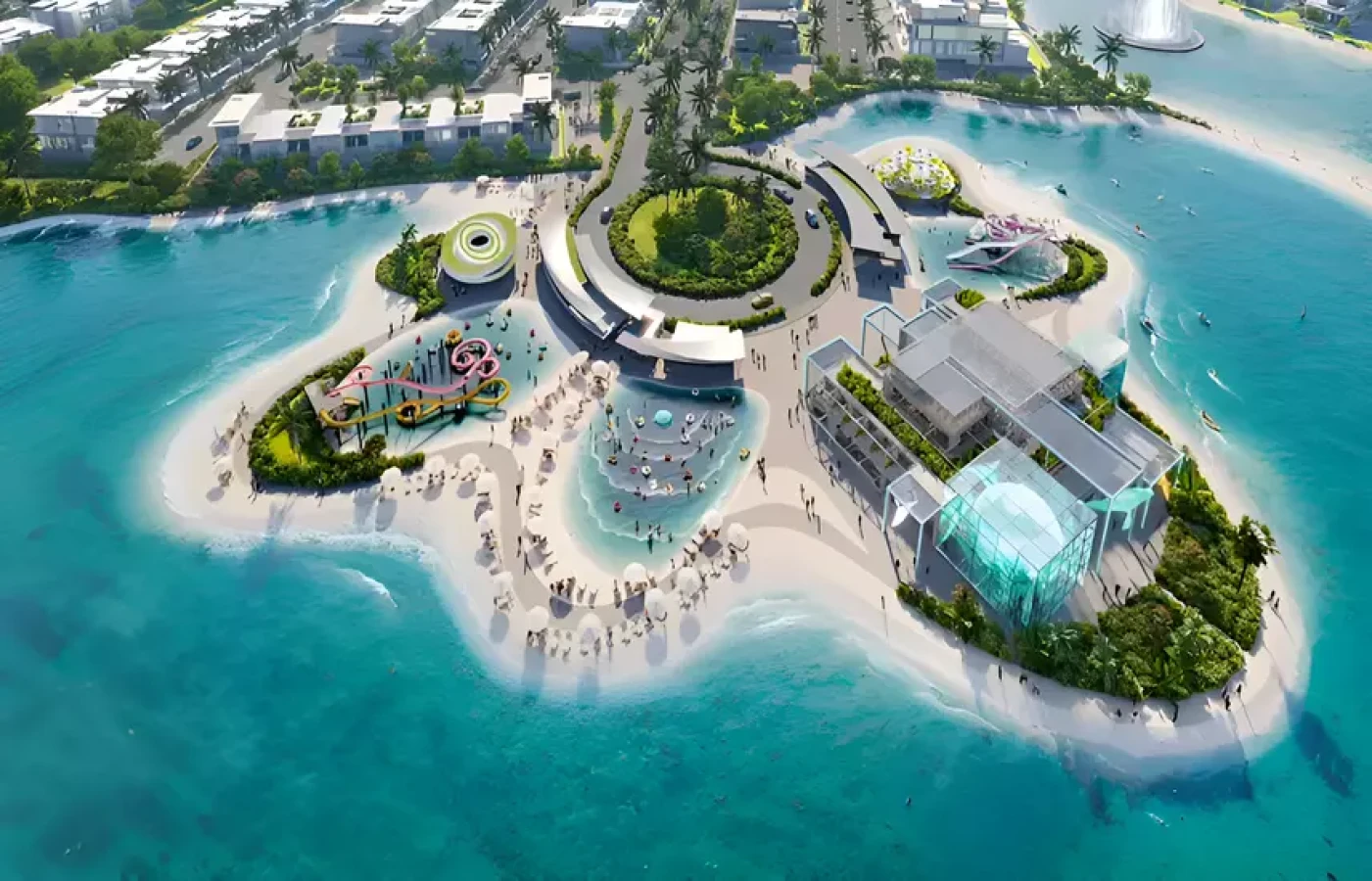
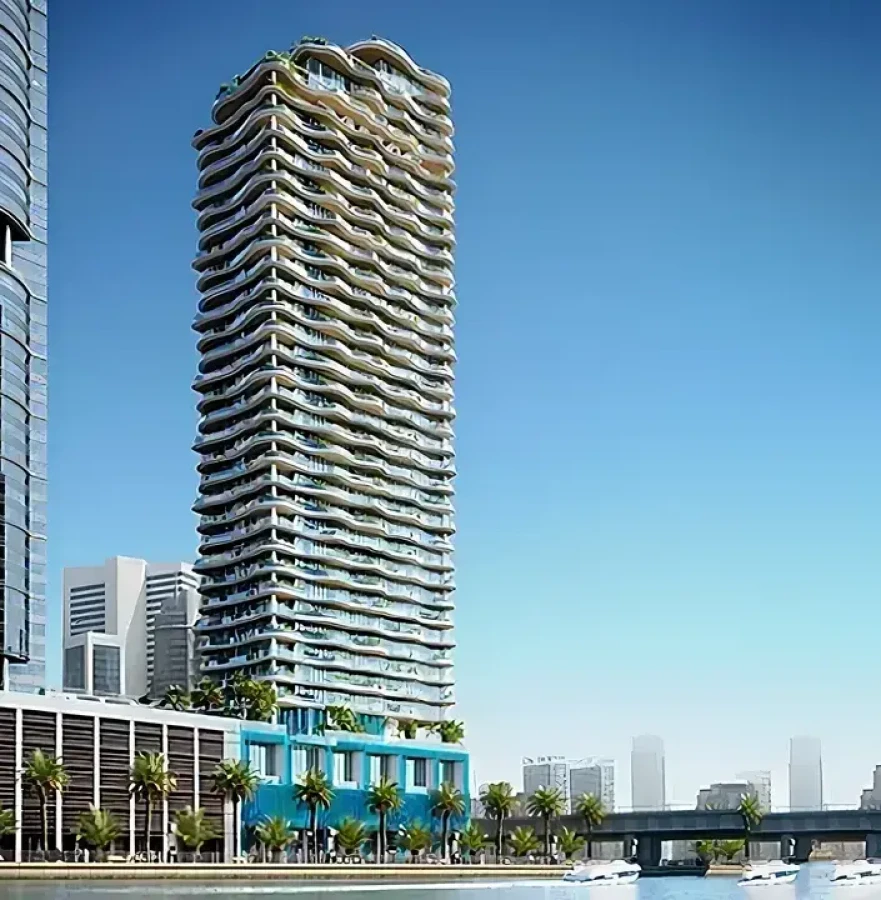
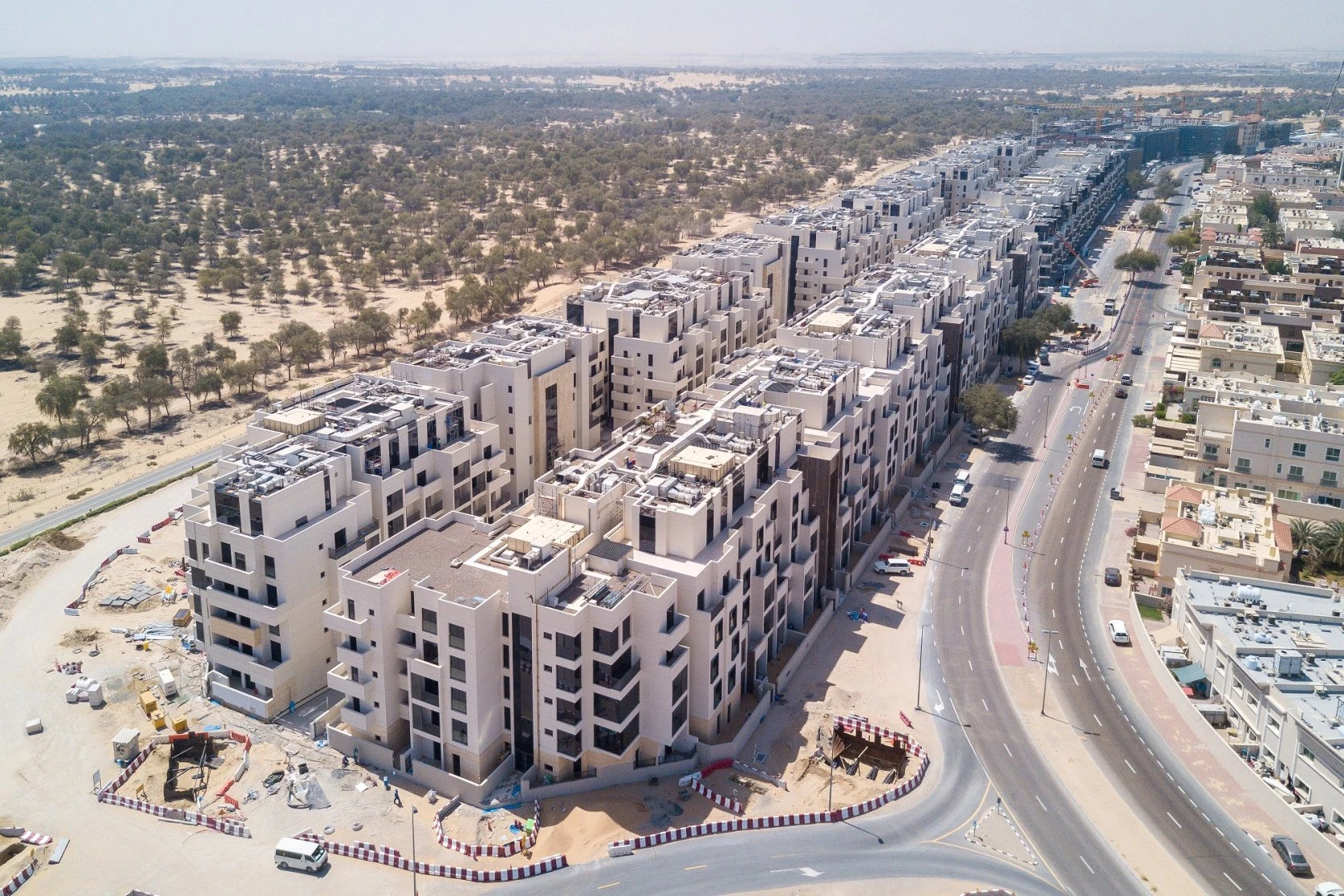
Off-plan property refers to real estate that is purchased before construction is complete — sometimes even before the foundation has been laid. Buyers purchase based on architectural plans, developer brochures, floor layouts, and show apartments. In Dubai, off-plan sales are regulated by the Dubai Land Department (DLD) and the Real Estate Regulatory Agency (RERA), which provides buyers with a level of legal protection.
Simply put, you're buying a promise — a unit that exists on paper today but will become a physical home or investment asset in the future. Off-plan projects are launched by developers such as Emaar, DAMAC, Nakheel, Meraas, and many others, typically offering flexible payment plans spread across construction milestones. With expert guidance from Chhalet International Properties, investors can confidently navigate off-plan opportunities, ensuring secure and strategic property investments.
How Does Off-Plan Buying Work in Dubai?
The process is straightforward but requires due diligence. Here's a typical off-plan purchase journey:
Choose a developer and project that suits your budget and goals
Pay an initial deposit (usually 5%–20% of the property value)
Sign a Sale and Purchase Agreement (SPA) and register with the DLD
Follow the payment plan tied to construction milestones
Receive your property upon handover and collect your keys
The DLD's Oqood system registers all off-plan contracts, ensuring legal traceability and buyer protection throughout the process.
Key Benefits of Buying Off-Plan in Dubai
1. Lower Entry Price
Off-plan properties are typically priced lower than ready properties. Developers offer early-bird pricing to attract buyers at the launch stage, meaning you can lock in a great price before demand drives values up — sometimes 15%–30% below the market value of a comparable completed unit.
2. Flexible Payment Plans
Unlike ready properties that often require full mortgage financing, off-plan units usually come with developer-structured payment plans. These can stretch across 3–5 years, making it accessible to buyers who prefer to spread their investment over time.
3. Capital Appreciation Potential
Dubai's property market has historically seen significant value appreciation in prime locations. Buying off-plan early in a high-demand area like Downtown Dubai, Dubai Creek Harbour, or Dubai Hills Estate often means your property is worth considerably more by the time of handover.
4. Brand-New Units With Modern Finishes
Off-plan buyers get the newest designs, smart home integrations, and contemporary layouts — advantages that older ready properties simply can't match.
5. Higher ROI for Investors
Dubai's rental yields range between 5%–9% depending on the area. A well-chosen off-plan investment in a sought-after community can generate strong passive income once handed over and rented out.
Risks of Buying Off-Plan — What You Need to Know
No investment is without risk, and off-plan buying is no exception. Here are the key risks to be aware of:
Construction delays: Projects can be delayed due to regulatory, financial, or logistical issues. RERA does provide some protection here.
Market fluctuations: Property values can shift between your purchase date and handover, affecting your return.
Developer credibility: Not all developers deliver equal quality or on time. Research the developer's track record thoroughly.
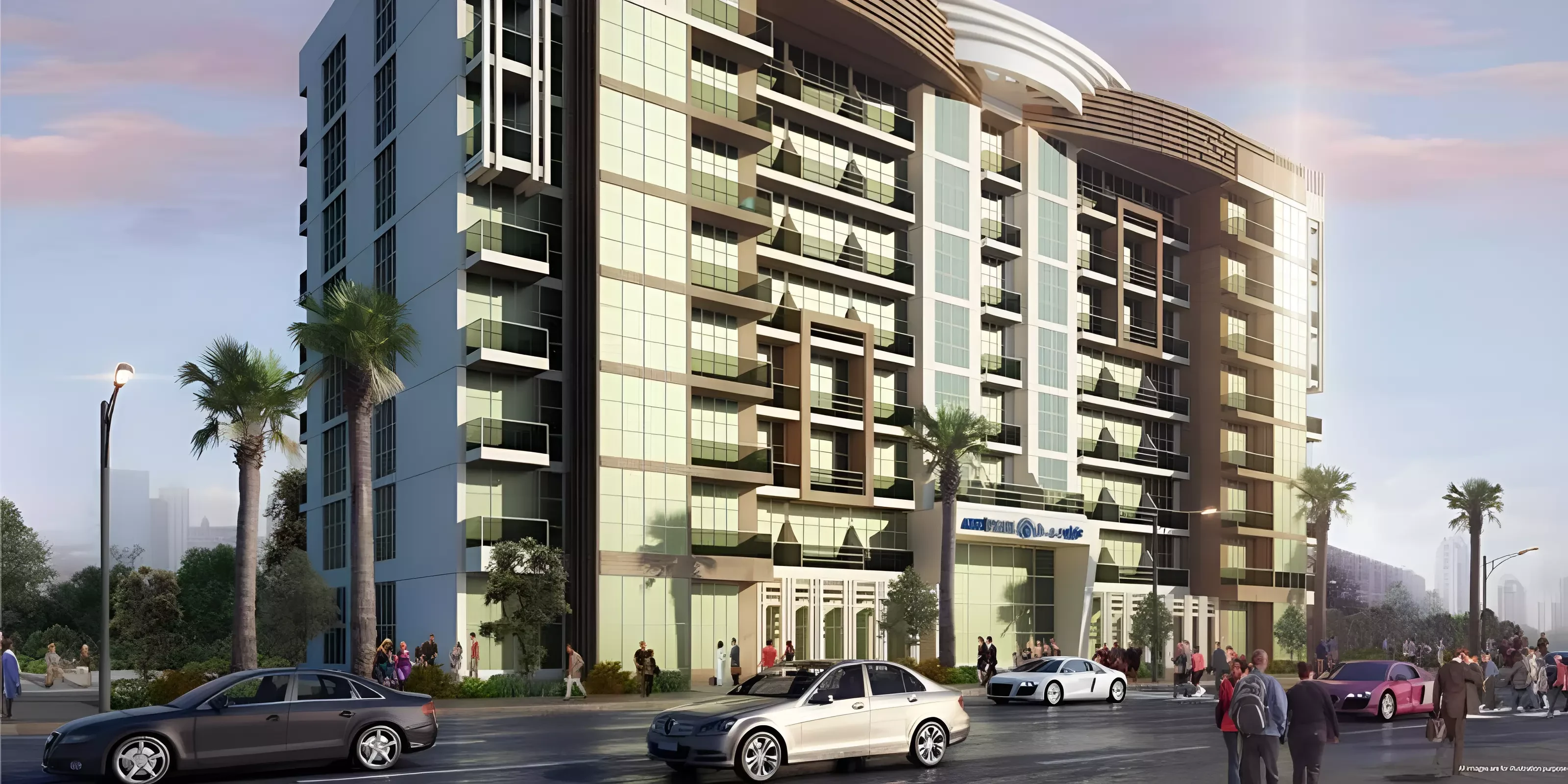
Finished product vs. expectations: Renders and show apartments don't always perfectly match the final unit.
Resale limitations: Some off-plan contracts restrict resale before a certain payment percentage is reached.
Always verify that the developer is registered with RERA, the project has an escrow account, and the SPA is reviewed by a qualified real estate attorney before signing.
Is Off-Plan Property in Dubai Worth Buying in 2025?
For most investors and end-users, the answer is a confident yes — provided you buy strategically. Dubai's off-plan market in 2025 remains one of the most active in the world. Record transaction volumes, a booming tourism sector, population growth driven by the Golden Visa program, and a business-friendly environment all contribute to sustained demand.
Areas like Dubai Creek Harbour, Business Bay, Jumeirah Village Circle (JVC), and Dubai Hills Estate continue to attract strong investor interest. With zero income tax, no capital gains tax, and 100% foreign ownership allowed in freehold zones, Dubai remains a uniquely compelling proposition for global property buyers.
At Chaletipi (www.chaletipi.com), we help investors and homebuyers navigate Dubai's off-plan landscape with expert guidance, curated listings, and end-to-end support ensuring your investment is both informed and rewarding.
Frequently Asked Questions
Q1. What is the minimum down payment for off-plan property in Dubai?
Most developers require a minimum down payment of 5% to 20% of the property value at the time of booking. The exact amount varies by developer and project. Some premium developers may ask for a higher initial payment in exchange for more favorable long-term payment plans.
Q2. Can foreigners buy off-plan property in Dubai?
Yes. Foreign nationals can purchase off-plan property in designated freehold zones in Dubai, which include popular areas like Downtown Dubai, Dubai Marina, Palm Jumeirah, and Jumeirah Village Circle. There are no restrictions based on nationality in freehold zones.
Q3. Is off-plan property cheaper than ready property in Dubai?
Generally, yes. Off-plan properties are typically launched at a lower price than comparable ready units. Developers offer early-bird pricing to generate initial sales momentum, which can translate to meaningful savings — sometimes 15%–30% below the market value of a completed unit in the same area.
Q4. What happens if a developer delays the project?
RERA regulations allow for a grace period beyond the agreed handover date. If the project is significantly delayed beyond this, buyers may have legal recourse to claim compensation or, in extreme cases, cancel the contract and receive a refund. The escrow system ensures funds are protected throughout construction.
Q5. Can I resell an off-plan property before handover?
Yes, in most cases. This is known as assigning the contract. However, many developers require a minimum percentage of the total payment to have been made — often 30%–40% — before allowing a resale. Always review the terms in your SPA before purchasing with resale intent.
Final Verdict
Off-plan property in Dubai offers a compelling mix of affordability, appreciation potential, and flexible financing. When purchased from a reputable developer in a high-demand location, it can be one of the most rewarding real estate investments available globally. The key is doing your homework, partnering with trusted advisors, and choosing projects with a strong delivery track record.
Follow Us